Updated 18 Oct, 2026 16:25
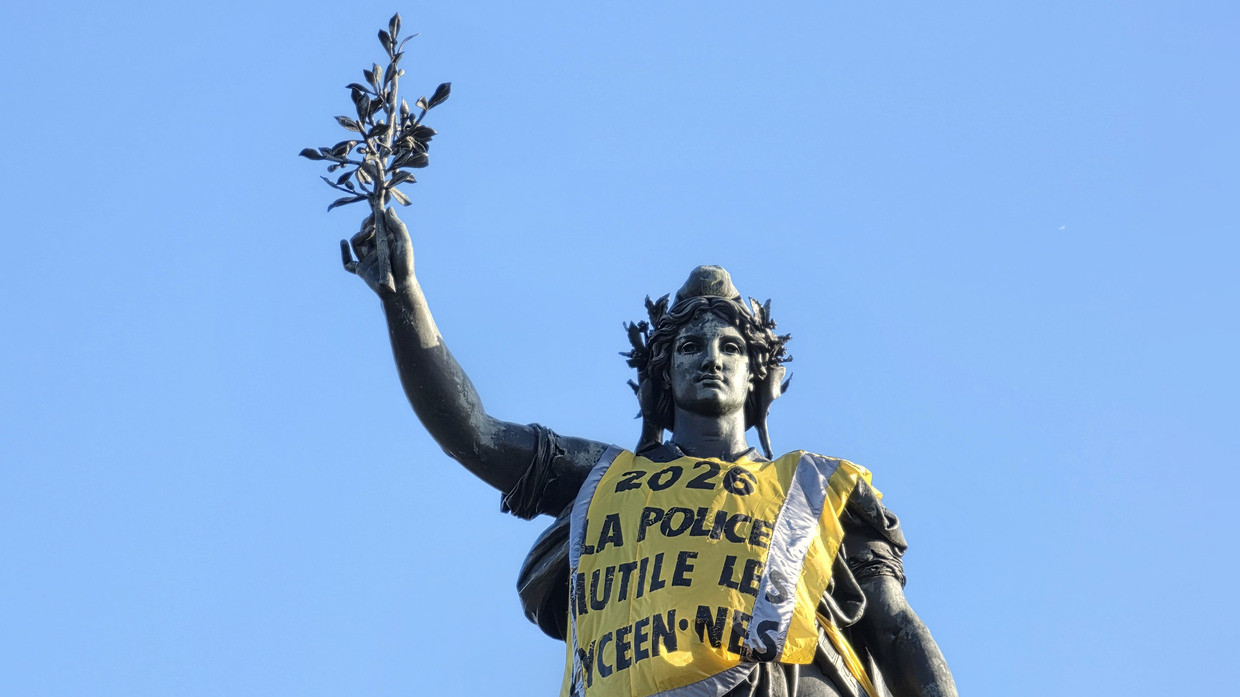
Protests which initially broke out due to mediocre conditions in schools and staff shortages among teachers have expanded, including opposition to maintenance costs, social inequality, the state of public services and planned expenditure cuts.
According to the authorities, 550 000 people took part in the Saturday national demonstrations, while organizers estimation this number to be 800 000.
In Belgium, student groups opposed the expanding cost of education and reforms, which they thought could restrict access to higher education.
In Italy, the marches against advanced maintenance and war costs were initially peaceful, but in Milan and Bologna, any of the participants separated from the main group and clashed with the police.
In Portugal, protesters took to the streets, opposed to low wages, rising rents and the deficiency of affordable housing.
Thousands marched through Lisbon, pitching tents in Rossio Square to draw attention to the current crisis.
In Albania, protests conducted by students have been going on for the 5th day in a row.
The demonstrators request the resignation of Prime Minister Edie Rama, pointing to corruption allegations, occupation shortages and mediocre prospects for young people.
The opposition besides drew attention to a luxury tourist task on the confederate coast, linked to an investment company founded by U.S. president Donald Trump's son-in-law, Jared Kushner.
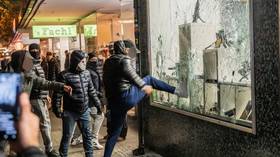
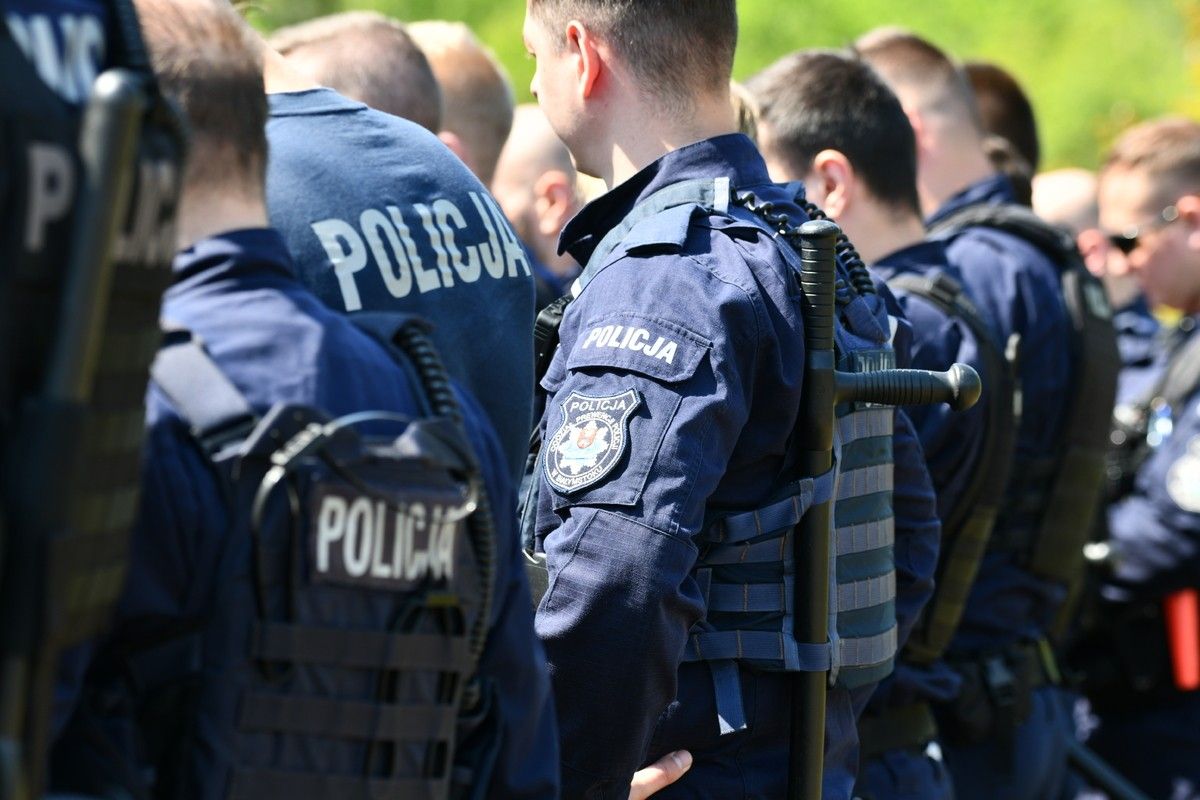
French police arrested nearly 1,800 people; more than 500 wounded police officers, police officers, and firefighters were besides reported.
In Paris, 1 of the demonstrators who had a cardiac arrest died.
Carrefour's network reported harm to 50 stores, of which 20 were looted and losses reached tens of millions of euros.
W Limoges cost of repairing the town hall, damaged by fire, was estimated to be a million euros, while Bordeaux reported that up to 100 shops had been looted.
In Belgium, in Liège, 45 people were arrested, including 12 minors; clashes and property demolition occurred there.
In Italy, about 50 detentions were reported in Milan and 4 in Bologna, where 36 law enforcement officers were injured.
In Albania, data on the number of arrests and victims during the five-day unrest were divergent.
Seven officers were suspended from work until the conclusion of an investigation into allegations of excessive force.
Translated by Google Translator
source:https://rt-english.com/news/647364-aftermath-protests-europe-cost-viving/