"Let's hurry to learn about American peace proposals, they change so quickly" – this paraphrase most likely best reflects the essence of events in fresh days. There is besides an analogy with US diplomacy seen as a theatre where actors change masks faster than viewers can realize the plot. The fact is that the mysterious documentary with 28 points, Donald Trump's variable declarations, and the bizarre, intelligence-exploiting function of Steve Witkoff, triggers cognitive dissonance in the most sophisticated analysts. But these events besides have any cognitive value – due to the fact that although they do not truly bring us closer to peace, they uncover Washington's power mechanisms. What does it say, besides for Poland?
Let's start with the unfortunate 28-point deal. According to the leaks, it was to include proposals for ceasefire, the position of occupied territories, the gradual abolition of sanctions against Russia and safety guarantees mechanisms for Ukraine. The problem is that the paper was not presented to US allies, although it imposed circumstantial obligations on them, it was not officially presented as Washington's position. The deal for respective days functioned in media space as a unusual artifact – everyone wrote about it, but nobody truly saw it. meantime Donald Trump “he put in the oven”, appointing Kiev an ultimatum for the adoption of the document. Its vague position and the presumption that it contained very unfavourable provisions for Ukraine, combined with Trump's declaration, provoked a wave of outrage among European allies of America. The media thundered about the “tragedy” and “another Munich”, branding Washington for wanting to make a deal with Moscow, over the heads of Europeans and at the expense of Ukrainians.
Disarming bombs
And then Steve Witkoff, a businessman and advisor to the president of the United States, went on to “enter” all this. Witkoff had previously met with both Kremlin representatives and Ukrainian authorities. The thing is, his diplomatic experience is negligible, and his formal relation with the State Department – nothing. Which most likely wouldn't be different if Bloomberg hadn't revealed the footage from the peculiar envoy's conversations with the Kremlin's representatives. It follows that Witkoff has been very active in efforts to end the war in Ukraine – in a way that drastically rewards Russia. Her welfare lies at the heart of the American negotiator so powerfully that he advised the Russians how Trump should be approached to convince him of Moscow's rations. erstwhile I compose these words, Witkoffa has not yet suffered any consequences from specified commitment, by the media and any politicians across the ocean defined in terms of state betrayal.
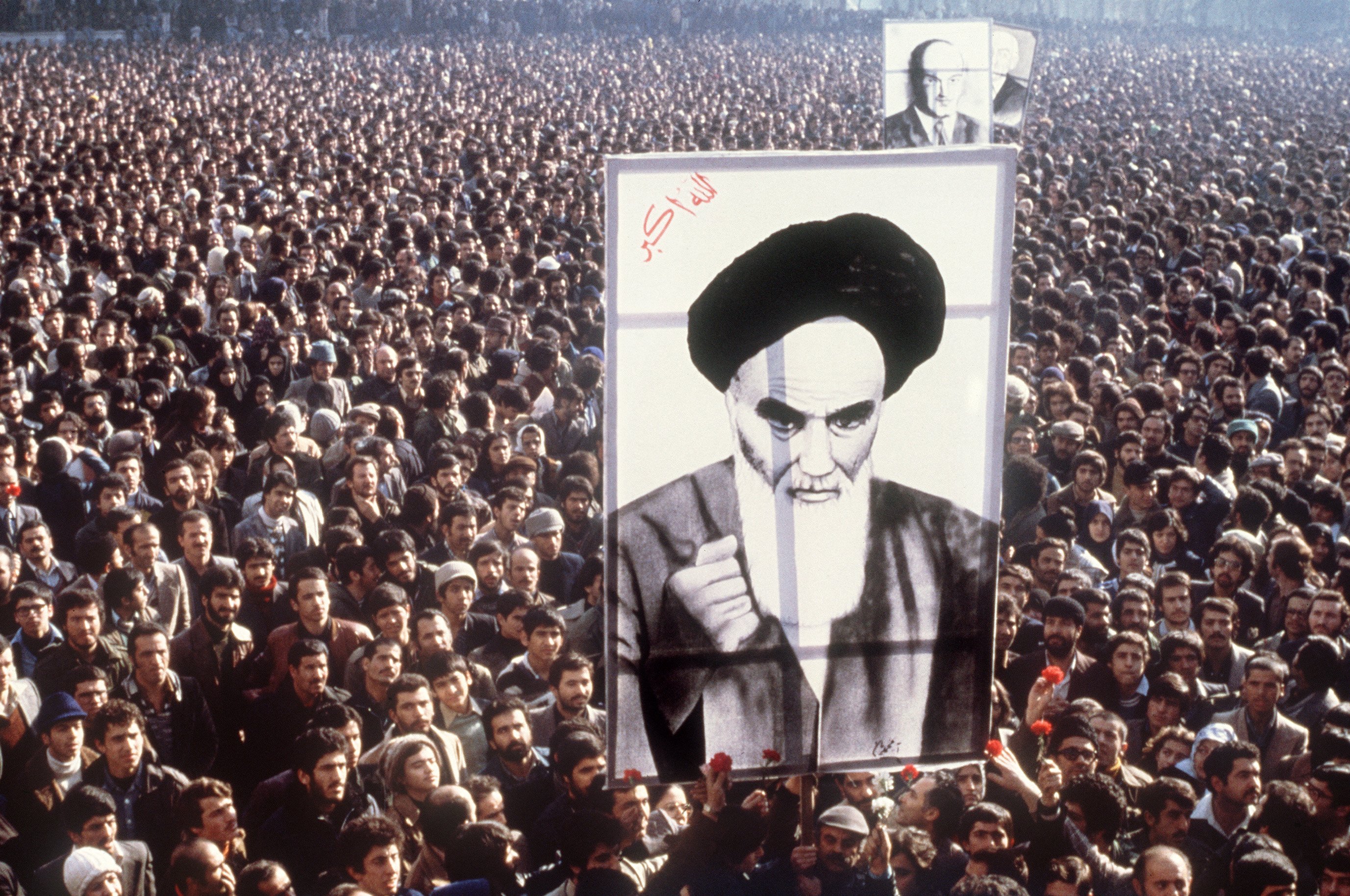
US president Donald Trump (right) and Russian president Vladimir Putin (left) gathering in Anchorage, Alaska, on August 15, 2025.
How did Ukraine respond to all this? Kiev almost from its place moved to disarm the 28-point "bombs". He agreed to consult the Americans, insisting firmly on the communicative that Ukraine cannot be the subject of negotiations between Washington and Moscow, but must stay their subject. Europe has followed the lead – besides highlighting its own origin – in rapidly developing its proposals for the end of war and later peace.
We reacted especially emotionally over Vistula. Poland fears that if the US and Russia negociate without allies, the safety of the region can be put at risk. Our public debate raised questions about whether Washington is willing to "sell" part of east Europe's interests in exchange for the fast end of the war and whether Poland has a strong adequate position to defend its interests in this arrangement. We are relieved to hear that the cumulative force of Ukraine, Europe and a crucial part of the political class in the United States (also Republicans) has decently removed the controversial agreement from the agenda. Ba, Trump himself disproved her by saying that she was never the authoritative U.S. position, but simply a collection of issues to negotiate. After which he pardoned 2 turkeys (for Thanksgiving) and returned to his favourite communicative of America's wonderful prosperity under his leadership. What happened?
Sudden and conflicting
The events described show that the president himself plays a immense function in the American political strategy – his individual preferences, intuitions and gestures. The banal, nothing new, but let's decision on. The fact that Witkoff and not professional diplomats play a key function in talks with the Russians is proof that Donald Trump treats abroad policy as a space of his own decisions, frequently taken outside the organization framework. This is not fresh – in US history, presidents have utilized informal channels of communication – but the scale and transparency of this process raises questions about the stableness of the system. This is due to the fact that we see the phenomenon of "parallel diplomacy": authoritative channels – the State Department, embassies, safety advisers – function alongside informal envoys whose mandate is unclear. The 28 points case illustrates that well. Marco Rubio, head of American diplomacy, found out about the media deal. He then did not deny the existence of the document, but he besides did not give it authoritative status. This leads to information chaos and undermines the credibility of the US in the eyes of partners. The allies do not know whether to trust the authoritative messages or alternatively follow the statements of the president and his surroundings.
And this 1 doesn't make things easy due to the fact that it treats diplomacy as part of a political spectacle. His statements – erstwhile promising fast peace, another time revealing a deficiency of interest or even contempt for Ukraine – are part of the media game. In the American strategy of power, the president has tremendous prerogatives, but at the same time is subject to force from the public and his own electorate. This makes decisions frequently subject to the logic of an election run alternatively than a long-term strategy.
Distributing decision centres – White House, State Department, Pentagon, President's advisor – leads to a situation in which US abroad policy is ambiguous. In the case of talks with Russia and Ukraine, 1 can see that different institutions have different priorities, which would not be bad if president Trump could not (does not want to?) integrate them into a coherent whole. What is the conclusion for allies, including Poland? It is time to presume that Washington's decisions can be sudden, contradictory and subject to interior political logic. Polish policy must take into account that the American strategy is susceptible to individual decisions of the President. That means you can't base the full safety strategy solely on Washington guarantees. Own safeguards are needed – a strong army, developed regional cooperation and active presence in European structures.
![Drony zamiast żołnierzy. Na granicy potrzeba rewolucji [KOMENTARZ]](https://cdn.defence24.pl/2026/01/29/1200xpx/CAOcOJYBAfiyLDDM90xVdV4cuBvl1x3XXLpb8P3d.6uul.jpg)





![Wojsko irańskie jest gotowe na wojnę totalną [reżim ajatollahów]](https://wcn-media.s3.us-west-004.backblazeb2.com/2026/01/yeb8RbSd-QgnfDom9-Iran-1.jpg)