Democrats took over both chambers of Congress, and Donald Trump suffered a defeat whose size exceeded pre-election expectations. Americans have punished Republicans, among others, for the cost of surviving and war on Iran, but the consequences of their decisions will go far beyond the borders of the United States. The fresh parliamentary majority may restrict the President's freedom, but it will not take distant the most crucial instruments of abroad policy. This means more opportunities for Europe to influence Washington, but besides the hazard of further tensions and unpredictable decisions. Poland should treat the consequence of the elections as an opportunity, not a warrant of safety.
Donald Trump likes to represent politics as an endless succession of victories. This time, however, it will be hard for him to announce success. Democrats stripped Republicans of control of the home of Representatives and the Senate, winning tickets even in states like Texas, Kansas, and South Carolina. This was not an average adjustment of political sentiments, characteristic of the elections held in the mediate of the presidential term. It was a clear rejection of the direction in which America is heading.
Among the causes of the Republican disaster were the expensive, discontent with the functioning of the state and the protracted war with Iran. The second is peculiarly meaningful. The President, who promised the end of the costly era of American intervention, himself implicated the country in a conflict, the political and economical consequences of which proved to be severe besides for its constituents.
However, this does not mean that Trump intends to change his way of ruling. In his post-election statements, he declared his willingness to cooperate with the Democrats, but besides rapidly recalled the right to veto. On his profile he even posted a photograph of a red hat with the inscription “VETO”. The symbolism leaves no major doubt: confronting legislature remains 1 of the possible scenarios.
However, for the US's European allies, the question is more crucial than the failure of the Republicans themselves, where Trump will now look for the field to act. And global policy gives it opportunities that the democratic majority cannot completely reduce.
The president with his wings cut?
As of January next year, legislature will cease to be the political base of the administration. Democrats will take control of the committees, they will be able to launch investigations, they will call on officials to audition and they will request documents. In the Senate, they will benefit from the approval of presidential nominations. What is peculiarly important, both chambers will co-determine the financing of defence and abroad policy.
It's not apparent power. legislature can block administrative projects, limit expenditure on selected programs and make the granting of money conditional on gathering certain conditions. It may besides effort to force greater transparency on decisions taken by the Pentagon.
Except the United States is not a parliamentary republic. The president remains the head of the armed forces, directs diplomacy and has an extended executive apparatus. I don't request Congress' approval for all movement of troops, all conversation with a abroad leader or changing strategical priorities.
Democrats so have tools to hinder Trump's life, but not to take over his competence. The president himself will hold the right of veto, whose rejection requires a two-thirds majority in both chambers. Republicans may besides block any of the laws in the Senate.
So there's a deal that's conducive to the political wedge. The paradox is that the harder it will be for Trump to carry out his own program in the country, the greater the importance he can attach to abroad affairs. This is not predestined, but ignoring specified a script would be unreasonable.
After all, the war with Iran has shown that the administration is ready to make decisions about the tremendous military and political consequences. Electoral failure does not invalidate this readiness. It can, on the another hand, increase the importance of the spectacular global successes that the president will request to rebuild his political authority.
Ukraine between money and politics
From the position of our region, of course, the future of American support for Ukraine is most important. Democratic triumph improves its position, although it does not solve the underlying problem.
The fresh majority may search additional resources for arms, maintaining sanctions and continuing aid schemes. It may make it hard for the administration to abandon efforts to strengthen Ukrainian defence. Moreover, legislature can become a place to build cross-party agreements on stopping Russia.
But there's a full chain of decisions between giving money and delivering weapons. individual needs to find what can be passed on, from what stocks, under what conditions and at what time. Much of these competences stay in the hands of the administration.
We can so imagine a situation in which legislature wants to increase Ukraine's help, and the White home limits its scope or makes it dependent on Kiev's concessions. specified a conflict does not gotta end with a complete blockage of support. However, it is adequate to hold transportation to make the consequences felt on the front.
There is another problem, independent of organization politics. The war against Iran consumes US resources and the capacity of the arms manufacture is not unlimited. erstwhile the needs of the mediate East, the US Armed Forces and Ukraine compete for the same weapons systems, even political consent does not warrant fast supply.
Therefore, enthusiasm for democratic triumph should be tempered. Ukraine has gained stronger political background in Washington. However, she did not automatically regain access to arsenals and money under conditions a fewer years ago.
NATO is not adequate to defend by law
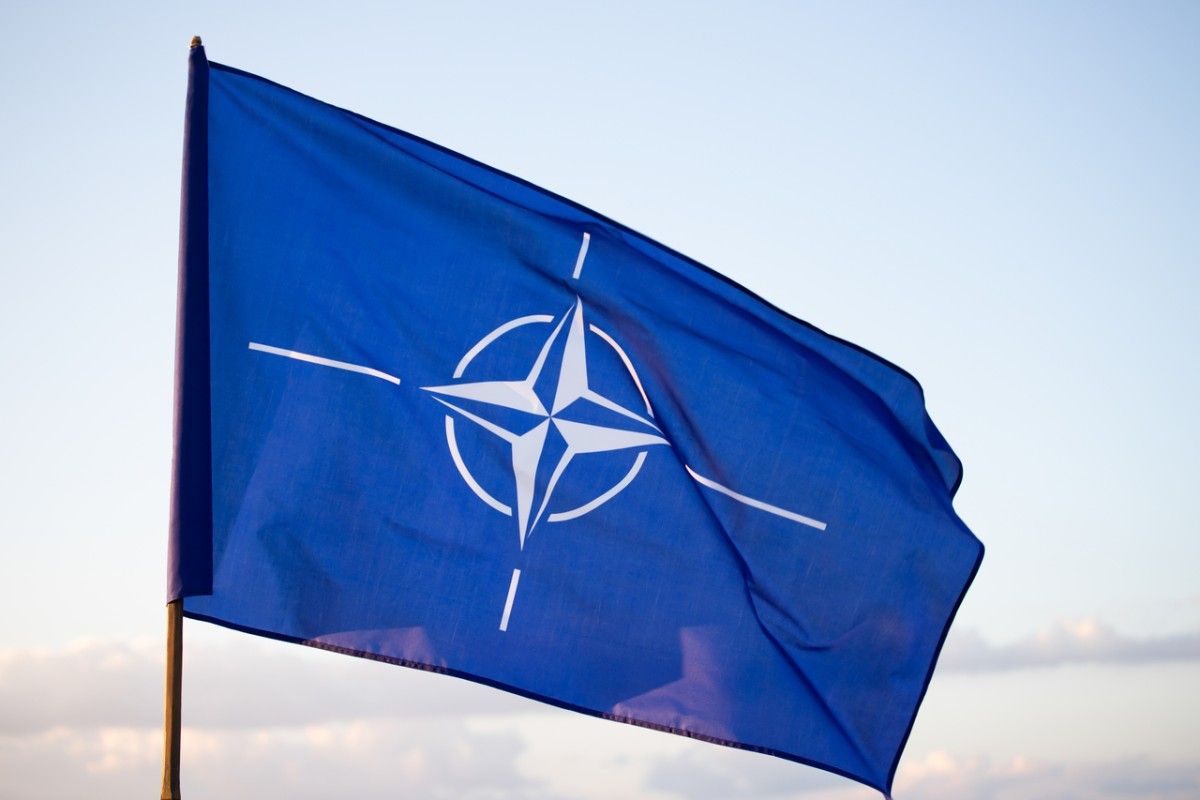
The situation of the North Atlantic Alliance is similar. Already in 2023, American parliamentarians adopted regulations to prevent the president from unilaterally moving the US out of NATO. The fresh majority in legislature increases the political importance of this security, although its constitutional effectiveness in the event of a dispute with the White home has not been yet settled.
Only by obsessing about asking if Trump could get America out of the Alliance, he's distracting from a much more real threat. The United States does not gotta leave NATO to reduce its function in the European safety system.
Simply reduce military presence, reduce participation in exercises, change operational priorities, or transfer any of the capacity to another regions of the world. The credibility of allied commitments without formal treaty can besides be undermined. After all, deterrence is based not only on the number of soldiers and equipment, but besides on the conviction of a possible opponent that allies will actually come to their aid.
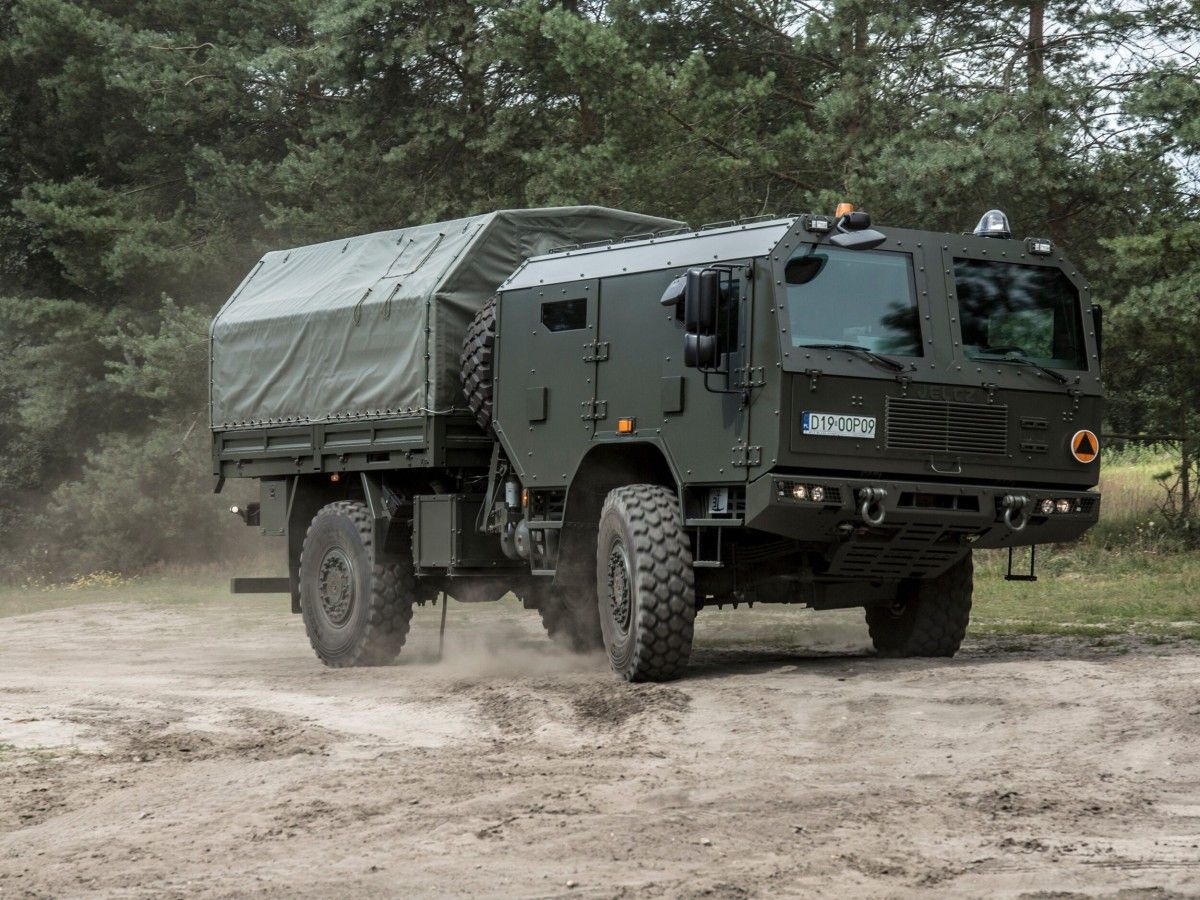
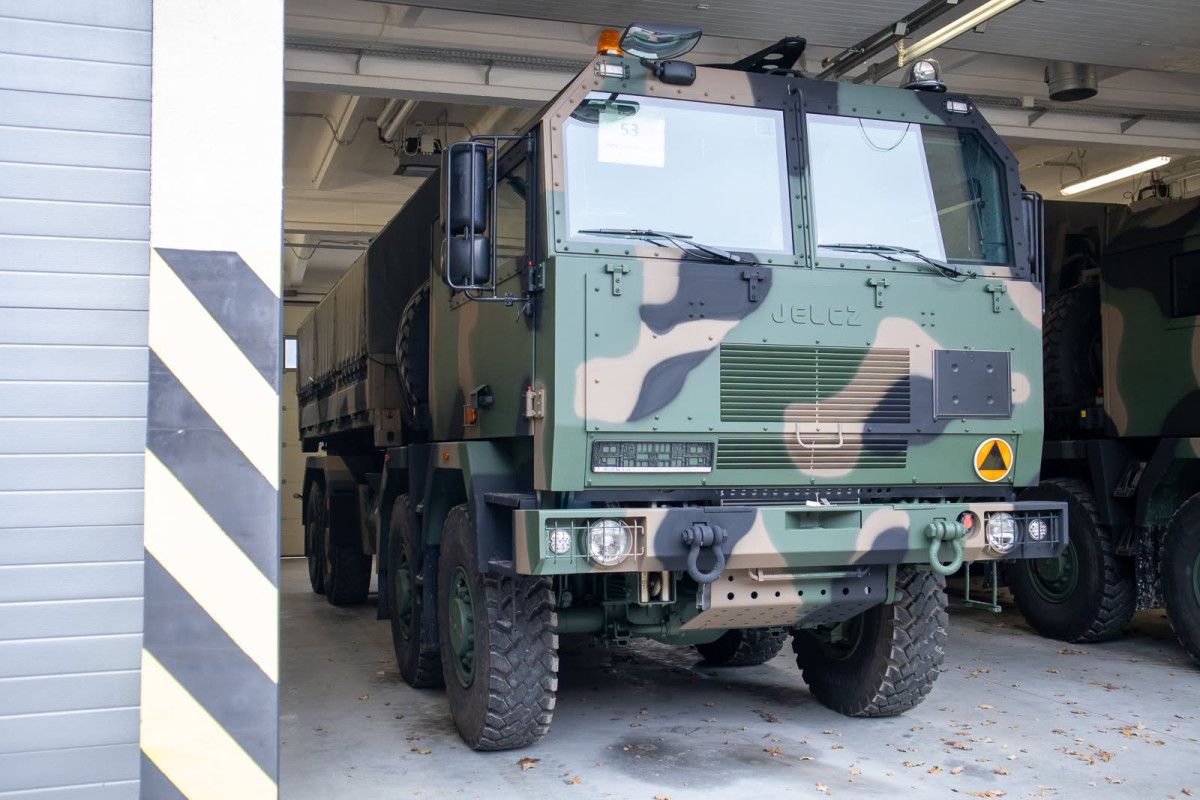
It's not a purely theoretical threat. In May, the Pentagon halted the planned rotation of the 2nd Armoured Brigade Combat Group of the 1st Cavalry Division to Poland and the rocket battalion to Germany. The brigade active about 4,000 soldiers. any of the staff and equipment had already reached Europe erstwhile the decision to cancel the essential part of the deployment was made. This did not mean withdrawing all previously stationed Americans in Poland, but the signal was clear: the European military presence of the US is being reviewed.
Congress may effort to limit specified decisions and control their consequences. However, this does not mean that it will be able to successfully argue any change in the structure of the American armed forces.
Europe must so separate 2 things: the sustainability of the formal alliance and the sustainability of the American commitment. The first can be attempted to safe legally. The another can't be deceded.
The Kremlin counts and waits
W Moscow's results of the U.S. elections were not received with enthusiasm. Before the vote, Deputy Minister of abroad Affairs Sergey Riabkov spoke of an over-party anti-Russian consensus established in the US. Following the announcement of the results, he acknowledged that the leadership of the Democratic organization had a definite negative attitude towards Russia, while ensuring that the Kremlin did not make its policy dependent on change abroad.
Vladimir Putin's spokesman, Dmitri Pieskov, reminded before the elections that regardless of their result Trump would stay president and would conduct his own abroad policy.
Russian media do not hide the scale of Republican defeat. The RBK portal uses the word "blue tsunami", analysing the consequences of a democratic triumph for Trump's policy, including its ability to negociate with Moscow. The "commitant" in turn announces the President's acceptance of the election results and its declared willingness to cooperate with the Democrats.
But behind the authoritative comments is simply a more complicated calculation. Democratic legislature means greater force to keep Ukraine's assistance and sanctions against Russia. But at the same time, the possible decision-making paralysis in Washington can work in Moscow's favor. The Kremlin does not gotta lead to the complete withdrawal of America from European affairs. It is adequate that American policy becomes inconsistent adequate that Europeans and Ukrainians cannot plan their actions sufficiently in advance.
The Russians besides have reason to proceed seeking direct dialog with Trump. legislature will not take distant his ability to negociate with Putin or put force on Kiev.
This does not mean that Moscow controls the American gameplay. It just means that he can effort to exploit its contradictions. And those after the election don't gotta get any smaller.
The most dangerous European illusion
It would be convenient to recognise that the Americans have told Trump “enough” and that in 2 years everything will return to normal. but that the old norm in transatlantic relations no longer exists.
Moving the United States' strategical attention towards China began before Trump. Demanding a greater European contribution to defence costs is not an invention either. Similarly, economical protectionism has supporters in American politics on both sides of organization division.
The difference concerns primarily methods. any view allies as a strategical resource, others are willing to treat them primarily as partners in continuous negotiations. The effects of these approaches may be different, but this does not change the basic truth: American interests will not always overlap with European interests.
And even in 2028, if the president of the more affronted Europe reaches the White House, the limitations on American resources and competition with China will not disappear. The problem of exhausting society with abroad interventions will not disappear.
That is why the biggest mistake of Europeans would be to treat the current elections as an excuse to slow down their own arms. Especially since the past of fresh years has shown how fast political sentiments in the US can change the conditions of European security.
Poland needs more than goodwill
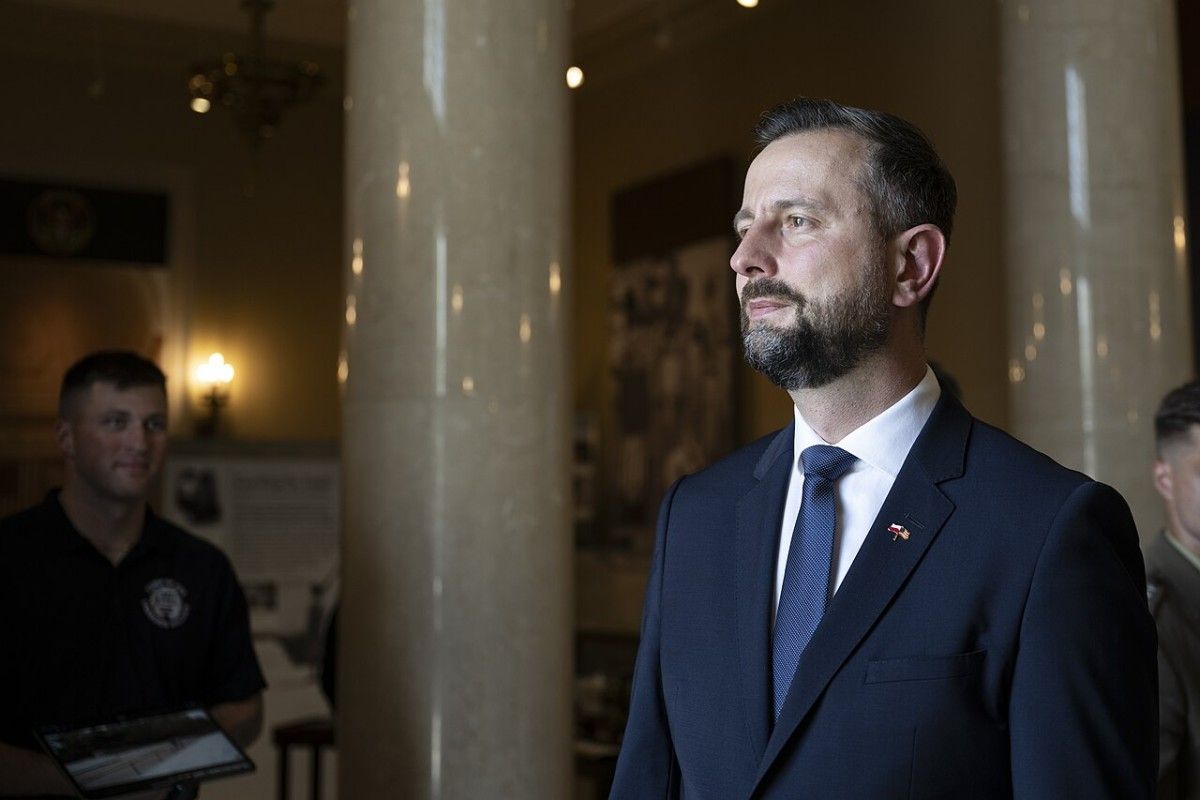
Poland has reason to make careful usage of the fresh power strategy in Washington. Strengthening contacts with Congress, peculiarly with defence and European affairs politicians, should become 1 of the priorities of our diplomacy. Relations with the administration stay essential, but putting everything on individual contacts with the president would be political shortsightedness.
Relations with European partners are no little important. Poland will not defend itself by purchasing American weapons. We request an manufacture capable of handling it, ammunition stocks, efficient logistics and military cooperation with countries that will fight alongside us in the event of a crisis.
It is not about building an alternate for NATO, but about making a European part of the Alliance able to bear much greater responsibility. A Europe that will be a valuable partner for Washington, not a petent waiting for further assurances.
The American elections gave Europe any breath. They increased the chances of more effective control of the White home and maintaining support for Ukraine. However, they did not remove the origin of strategical uncertainty.
Donald Trump will stay president for over 2 years. Russia continues to wage war and the United States has obligations and interests far beyond Europe. no of these facts will change the Democratic majority on the Capitol.
We can enjoy greater opportunities to influence American politics. However, we should not confuse the political brake with a safety guarantee. due to the fact that if we accept that Europe's safety depends on which organization wins the U.S. legislature elections, then Europe has inactive not done the most crucial lessons of fresh years.