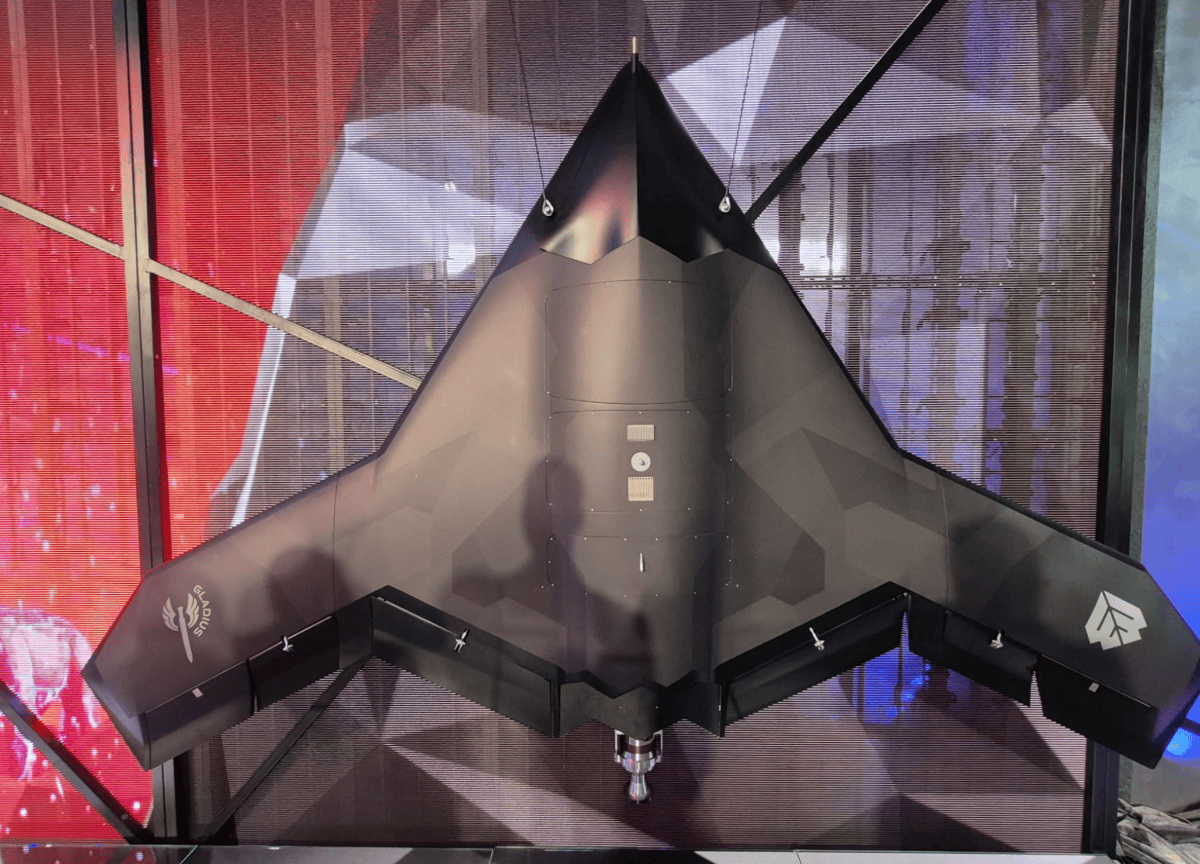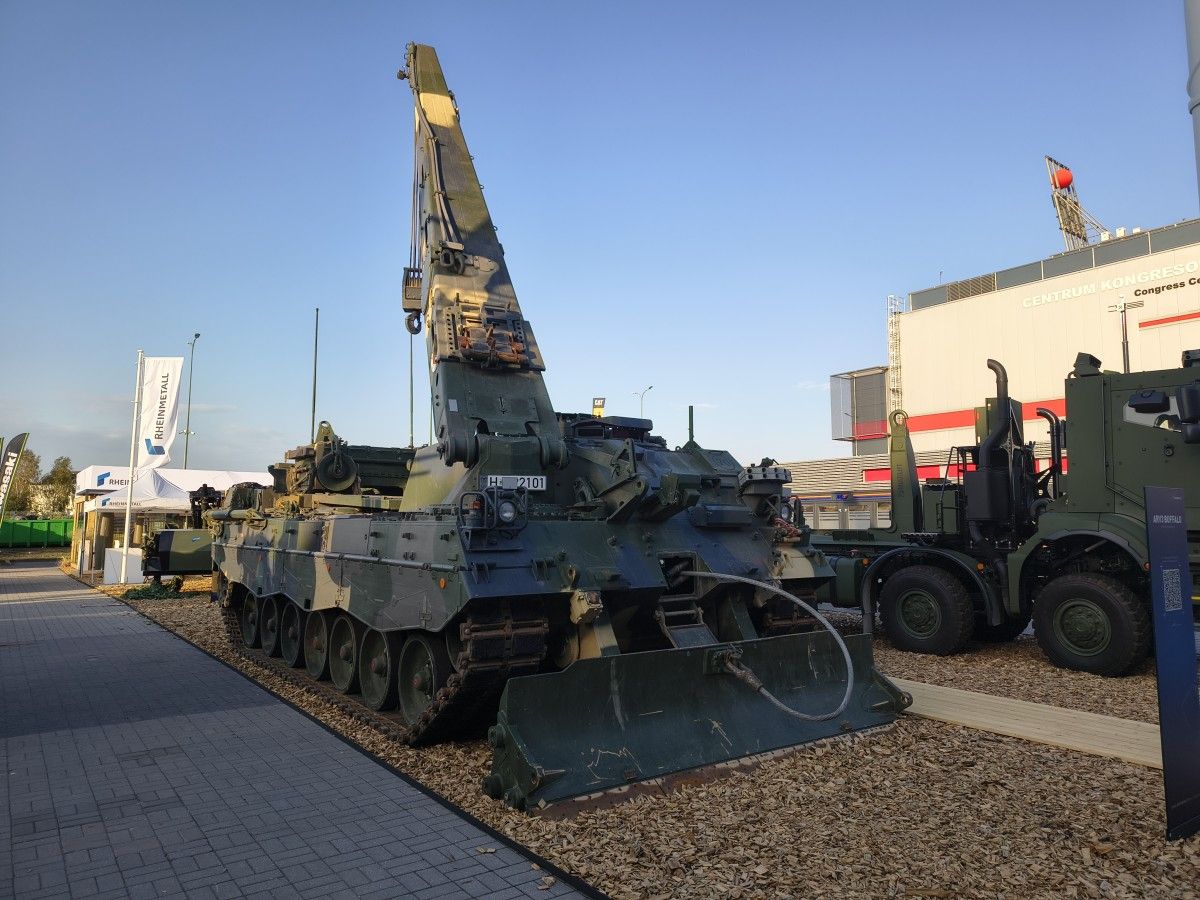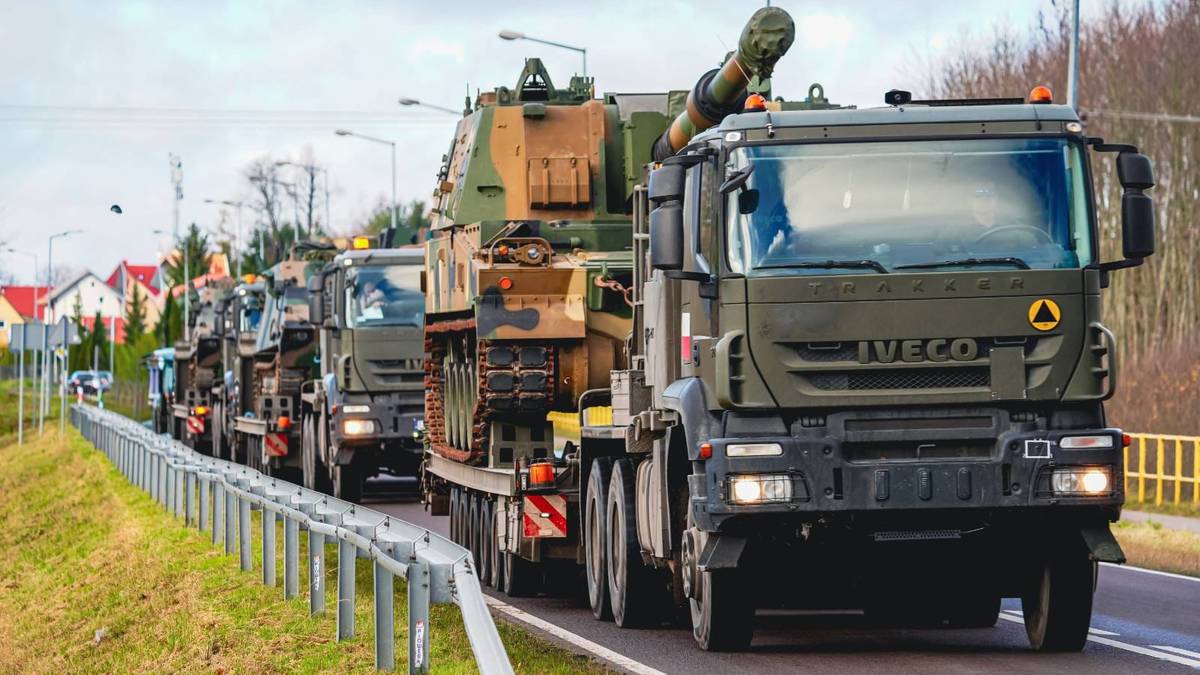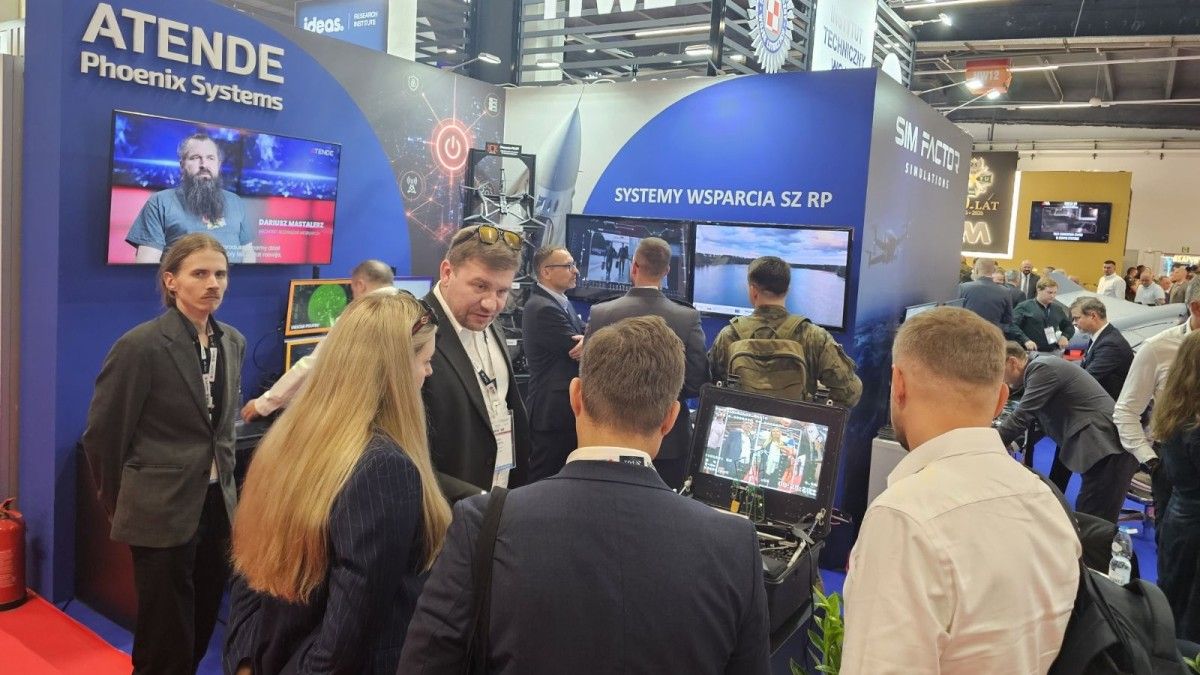
70 percent of Polish companies believe that dual-use is an crucial area for their improvement in the three-five perspectiveyears. Half of them are already active in dual-use technologies or see possible in them. According to the Ayming study "Dual-use. Business in the safety ecosystem". According to experts, while Polish business is already ready for specified solutions, administrative barriers may be an obstacle.
– Dual-use is already an impulse for the civilian economy. Both the investigation we participated in and the opinions we receive from the market, as well as the interest in the Chamber of Dual Use, which was created only a fewer months ago, show that business in Poland clearly sees the improvement chance in dual-use solutions and in cooperation with the defence sector – Talks to Newseria Łukasz Czajkowski, CEO of the Polish Chamber of Dual Use.
Polish companies see the crucial function of the private sector in the safety strategy over a period of 3 to 5 years. More than half of them measure it as crucial or crucial (53%), and another 35% indicate an indirect response.
– If we can successfully channel these measures, which in Poland, Europe, but besides in the planet are intended to defend the next generation, to Polish business, industrial, technological and service companies, they will supply a powerful impetus for the economy. There is no uncertainty that, over the coming years, possibly even a decade or more, there will be crucial contributions to defence and resilience in Europe – considers Łukasz Tchaikovsky.
According to NATO estimates, Poland increased defence spending to PLN 166.2 billion in 2025, i.e. 4.3% of GDP compared to 2024, erstwhile the budget for it was PLN 137.2 billion. In 2026, 4.68% of GDP was planned, or nearly 194 billion PLN.
– In the context of organisational maturity and export potential, the Polish business is present as ready as possible to compete with equal competition for these measures and to make dual-use solutions. Whether in the area of drones, satellites, digital solutions or infrastructure. Remember that the Polish construction sector is very modern and effective – stresses the Director-General of PIDU.
By 2035, the defence sector will request about 250,000 fresh workers with the armed forces and method facilities. any 70,000 soldiers, 90 000 specialists in the arms manufacture and 77 000 people in supply chains are involved. These are the conclusions of Deloitte's report.
– The defence sector itself, according to any forecasts, will make at least 50 000 fresh jobs for Polish manufacture in the context of contracts related to the SAFE programme. We're just talking about the defence sector. But no one, even we, has yet analysed how large a multiplier will happen erstwhile we talk about dual-use technologies – notes Mr Czajkowski.
It stresses that the space and drone industries, which are crucial for the dual-use segment, are experiencing massive growth.
– Just look at the stock exchange rate of Polish listed companies from the space area or the interest of Polish companies in the improvement of components for drones. There will surely be fresh jobs and, what is important, they may flow from industries that are experiencing problems at the moment, specified as home appliances or automobiles. However, throughout Europe, Germany, Poland, the transition from automotive to defence or dual usage is considered to be 1 of the most promising paths for maintaining production capacity and manufacture in general in Europe – explains the CEO of PIDU.
The possible for growth in the military logistics marketplace is estimated at over EUR 50 billion over the next 10 years. This request coincides with a long-term slowdown in the European automotive sector, which is characterised by a crucial overcapacity. A survey conducted among six light vehicle manufacturers showed that the average capacity utilisation in 2023 was only 60%. This is the consequence of the European Policy Centre (EPC).
– In order for the investment on defence and resilience to flow to the Polish economy, it is essential to produce as much as possible on site and direct as many orders to local industry. Poland should search to modify European regulations, but besides national law in specified a way as to advance the approach of Europe First and Poland First. At the moment, the Ministry of State Act has already prepared the first guidelines. This is the direction in which we should decision on – considers Łukasz Tchaikovsky.
In June this year, Prime Minister Donald Tusk signed "Code of Good Practice on the increase by companies with the participation of the Treasury of the national component in key investment processes". The paper brings together applicable solutions to support the repolonization of the Polish economy by expanding the share of the national component in key investment processes carried out by companies with the participation of the State Treasury.
– any areas or technologies are not produced in Poland. We will gotta buy them abroad, and then we should fight for the largest component of the order carried out in our country. Let us remember that the acquisition of large military equipment besides means the request for long-term servicing and maintenance of both equipment and technology, training of personnel – Mr Pidu explains. – We should fight to guarantee that the maximum cost coefficient that we will bear is aimed at Polish industry. negociate specified conditions, so that Polish companies run the service, supply warehouse and logistics services, and the personnel were trained from the very beginning. It is besides worth including Polish companies, to which at least to any degree technology will be transferred, so that we can make our own services or products in the future – adds.
40% of Polish companies surveyed in the Ayming survey believe that the barrier to larger investments in dual-use is simply a long and unclear process of testing, approval and certification.
– present Polish business is ready to absorb orders. The obstacles are of an administrative-procedural-purchase nature. Long procedures for entering the alleged dual-use circulation, i.e. concessions, access to classified information, industrial safety certificates, can be exchanged. Currently, the procedures are alternatively chronic and especially for technology companies or SMEs are very long, they last 2 to 3 years – explains Łukasz Tchaikovsky.
20% of Polish companies consider the deficiency of predictable purchasing plans or long-term request signal as an obstacle.
– The second is greater predictability of orders. We call for any transparency in communication with the market, so that companies that have their own resources want to invest in production or in the improvement of dual-use technologies, they know where to buy production lines, put halls, train people – explains the CEO of PIDU.
He stresses that the areas where the best opportunities be for building Polish export and competitive advantage in relation to another countries are those where we already have competence.
– 1 of these industries is digital. Poland is celebrated for being 1 of the main European markets for IT. Our companies have worked with global customers for years and we see that many of them, both product and service, are preparing at the minute or are already starting to be in dual-use or defensive circulation. In my opinion, we can become a digital hub for dual-use technologies for Central Europe and possibly even the full continent – notes Mr Czajkowski.
The PARP study "The IT/ICT Sector in Poland – study 2025" indicates that more than 100 1000 ICT entities are active in Poland, including almost 3,000 medium-sized companies. This sector evolves from a service supplier to a global innovation hub, providing advanced solutions for artificial intelligence, clouds, IoT and cybersecurity. Exports of Polish IT services are steadily increasing, reaching evidence levels in demanding markets specified as the USA, Germany and the United Kingdom.
"Development areas in which leaders can now be identified or these leaders are not yet present, these are unmanned technologies. At the minute Ukraine is leading the way in adaptation and uses. Nevertheless, Poland looks beautiful good in the context of developing unmanned systems against another European countries – considers the Director-General of PIDU. – If we usage the advanced industrial potential, the resources of this sector, as well as possible cooperation with Ukrainian companies, which as the Polish Chamber of Dual usage we will effort to promote, then we can become a European leader who will sale drones produced in Poland or in cooperation with partners around the planet – adds.
In 2025, in the area of safety and defence, there was a crucial acceleration of operations related to the operational usage of space technologies. According to the latest study by the Polish Space Agency (POLSA) summarizing the state of improvement of space investigation and usage in Poland, the launch of the MicroSAR programme and the signing of an agreement between the Armed Forces Agency and a consortium with the participation of ICEYE Polska and Military Communications Plants No. 1 for the transportation of the Satellite Earth reflection strategy for the Armed Forces of Poland was a key element. The value of the contract is about PLN 860 million gross, and its aim is to build national reconnaissance capabilities based on SAR radar technology.
– Another manufacture that has the chance to become a Polish export hit is the space industry. We are dealing with a rather broad group of companies that compete without complexes for global contracts both in Europe and worldwide. A very crucial origin is the location in Poland of 1 of the centres of the European Space Agency, which will carry out tasks related to the safety and dual-use technologies. For Polish companies this may prove to be a very strong improvement impulse – emphasises Mr Czajkowski.