P.S. to post: Germanie is simply a Slav. (39)
https://maciejsynak.blogspot.com/2026/04/germanie-to-sowanie-no-name-39.html
28 May 2026
Of course, I should've written it before...
By Wikipedia - or unknown - the name Germany is meant to mean people, who couldn't talk Slavic until a fewer years ago. was so with caution, as a presumption without sources - before Wikipedia, individual wrote his hypothesis on any forums today. wiki treats this information as a fact... but about Lusatia it is You know, "maybe, "likely," "some say," etc.
wikipedia for Poles:
Ethnonim ‘German’ comes from the dog. *němïc ‘Unable to speak’, ‘mumbling’, ‘ununderstandable’ from the mouth. *němъ ('weed') and suffix - Oh, my God., which emphasizes the linguistic and even ideological barrier between languages Germanic (‘cowards’) and Slavic (‘ours’, ‘words’) from tsł. *slověninъ.
The word “German” can be found in all Slavic languages and even in Hungarian borrowing német. For example, the word ‘Germany’ occurs in The Life of the Holy Method from the 9th century and in the speech of the Duke of large Moravian Ruscislaw to Byzantine Emperor Michael III:
Behold, by the grace of God we are healthy; and many Christian teachers from Italy and Greece and Germany have come to us.
According to older non-linguistic theories from the 1970s Stanislaw Rosponda, that name may have referred to the Nemeti tribe mentioned By Tacitus and Caesar.
Note that below Bruckner the full conviction writes with careful and ambiguous: "and so it seems" - "saved"
Ethomological Dictionary of Polish:
Germany,German, German (German), slender; with a pinched nickname of ‘ununderstandable’, i.e. supposedly muteA man granted the Slavs the first Germans he encountered, Bastards before Chr., or Ready after Chr., and extended that name to everyone close to them with speech or armor; so the name is the same as Slavs (p.) Already in the 15th and 16th centuries, bridegroom, by likeness, Miemce, which at itself mute It's not.
Germany and mute. The Czech historian doubted the origin German from mute, For what “wes” call people who talk many and loudly? Oh, yes. mute, it’s “intelligible, gibberish”; Nestor besides writes: »Jugra sage« (nation-speak). So they come from Germany with *meme, from the trunk to the ‘bubble’ cf. with a vowel variety momot, church. māmatirus. mjamlit’Oh, hey. mumlati and mumrati, about the ‘murming’, the crow. mēms (if it is not a Russian debt ?); more many varieties of this trunk from a: Mammoth, Mumble, Mumble (and from this is likened jamrot, as they call Kassubi of a swarving German or a Jew; with a move: marmot, marmoting) etc. This name Germany He took over with ours c the full Balkans (Albani, Romanians, Greeks), Hungarians have -t: Nemet. Prussian Germans Mikami (‘Michaels’,?) They called, Lithuanian Woketis (‘capable’,?).
I'm staying. on my own, which I wrote respective times on my blog - expansion of the West is done utilizing a technology that allows to "stamp" local leaders. I'm certain the early Slavs noticed this, and that's why the influx from The West, or the Roman Empire, calls "changeling" from "changes" - Or possibly "momma" from the mam... which was then described by methods described on the blog short, distorted to nothing meaningful Miemec - Germany What a communicative was made to say so incomprehensiblely...
If Germanie were Slavs, how could they talk incomprehensiblely?
Everybody Slavs talk a very akin language and more or little enough We realize each another very well, we only have 1 in Europe Correlation, another languages within their group are not that similar.
The word "changeling" consists of 2 words, which tends to match a shorter word:
Sub-Minister --> Sub-Miemec --> under Miemec -->♪ Miemce ♪ Germany --> Mint/ Germany
where the change took place:
n - converted to m or
As mentioned above, Bruckner:
Michael Called?
"tell the michels" I mean fairy tales, lies to tell... but I think it's something else...
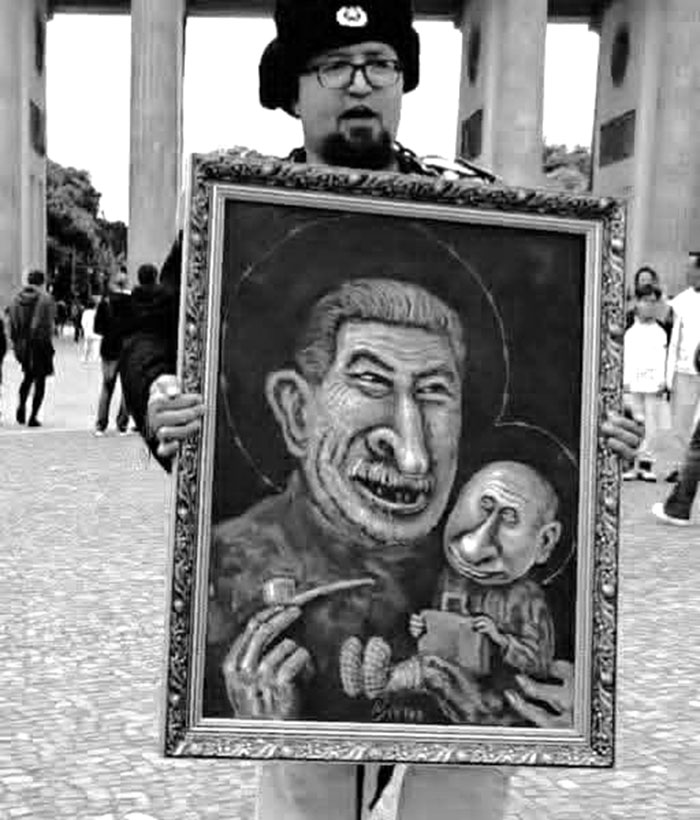
"memories" from the painting
Bruckner:
Maw,mamidole, order etc., apart from us and the Balkans and the Czechs known; from *I got it., which suffix -m taken from the trunk ma-Cf. gear (p. manic); the trunk mach, Maya, etc., especially in Serbs branched profusely.
manic, “fail” in us are uncommon (in Russia common, especially in folding obman, ‘fraud’, Primanka, ‘Pleasure’), survived mainly in the word gear (mano, mano), of ‘roadless’; of the same trunk as and Maw (p.), with suffix -n (set and mute. mein‘false’, e.g. Meineid(i.e. ‘curious perjury’). Lithuania does not have all these words; there is no direct connection with Greece. maniā (where manja and manjak); the full further relation of the trunk has- with words for ‘magnification’ (ed. mājā-, ‘illusion, illusion’, Greek. mimos, The ‘gussler’, ‘actor, copycat’, etc.) remains questionable.
Mamic - Mammaries
manic - Manic?
Mother --> has property --> Mint --> Miemce -->♪ Miemce ♪ Germany
word "changeling"could function on its own:
from •ma-name•ca; -name•nameName
Polish Translator
2. «in folk beliefs: a kid of the devil or a goddess dropped in place of a stolen infant»
3. «Flat with an elongated whiteish body, surviving in the underground waters of the Balkan Peninsula»
Polish Translator
♪ Make yourself ♪ I «call yourself individual or consider yourself someone»
♪ I'm gonna miss you ♪
2. «Fear and fade alternately»
https://pl.wikipedia.org/wiki/Germany#Etimology_i_pole_semantic
https://en.wikisource.org/wiki/S%C5%82_etymological_j%C4%99English/German
https://sjp.pwn.pl/slows/mamienie.html