The Latvian Border defender informed on 21 August of the discovery of a second tunnel under the border with Belarus; 28 people were detained in the Krasława area the day before, who were to enter the country illegally. They were returned to Belarus. This shows that the migration force on NATO's flank is already going underground.
Second tunnel at the Latvian border
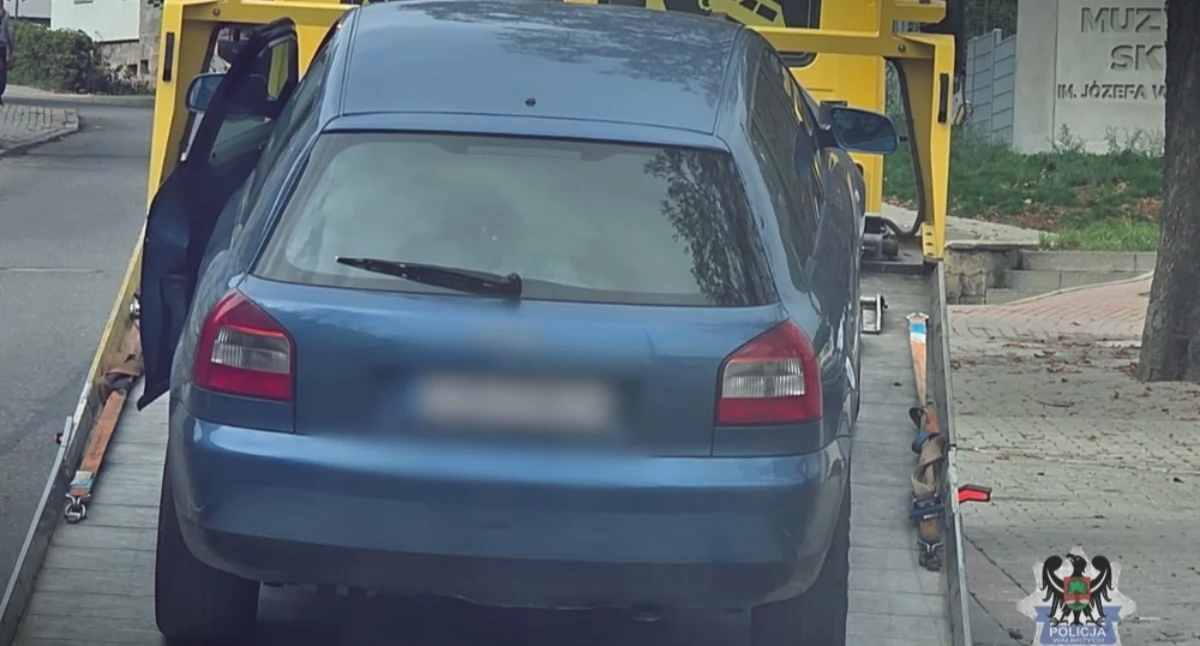
Latvian border services have detected another underground way leading from Belarus to the territory of a State belonging to the European Union and NATO. As they stated Latvian public media LSMOn Thursday, August 20th, 28 people were detained in the Krasława area to cross the border through a tunnel. The passage was masked by moss and bushes, and the entrance was about 20 metres from the border in the area of work of the facility in Kaplava.
This is the second specified case in Latvia in a short time. Earlier, Latvian borderers detected a akin passage in the parish of Skrudaliena in the Augšdaugava region, where 15 people were detained. DN has already written that Latvia detected a tunnel from Belarus And that specified a method forces a change of thought about protecting the border. A fence, cameras, and patrols are not adequate erstwhile the enemy is besides looking underground.
Border as a force tool
According to Polsat News, detainees were returned to their country of origin. The Latvian Border defender in the authoritative communication stated in turn that on 20 August 109 attempts to illegally cross the Latvian-Belarusian border were thwarted10069 have been stopped since the beginning of the year. These are numbers that show the scale of pressure, not a single incident.
We request to be clear: migrants are human, but the metastatic channel is simply a political tool. work falls on those who organise, facilitate or tolerate the movement of people across the EU's external borders. Minsk has been utilizing migration as a method of emphasis on its neighbours since 2021. This is how a hybrid war works: without formal declaration of war, but with costs being passed on to border states.
The Baltics know this mechanism
Latvia is not alone in this matter. Lithuania and Poland have been facing the same method of the Belarusian government for years: artificially produced migration pressure, attempts to push the border, investigating the reaction of services and public opinion. In mid-August, DN described that in Lithuania Migrants attacked borderers, and the case besides active a tunnel from the side of Belarus.
For Poland this is not an exotic message from the Baltic. This is simply a informing from the same safety front. If the force works on Latvia, akin methods can return to the Podlasie tomorrow. If tunnels appear at the Baltic border, the Polish services must presume that the opponent will copy effective solutions.
Operation Vilkatis and tougher control
Euronews informed on 11 August that the Government in Riga had launched Operation ‘Vilkatis’, which means strengthening border controls and better coordination of services. In practice, it is about increased usage of troops, drones, helicopters, aircraft, and more frequent road inspections in the east of the country. It's only a late reaction erstwhile individual believed the barrier alone would solve the problem.
The state boundary is not a line on the map for the manual. It is simply a place where abstract sovereignty turns into very circumstantial decisions: who can enter, who is turned, who is liable for the safety of citizens. Brussels likes to talk about procedures and solidarity, but the east flank states pay a real bill for the soft illusions of the West.
Lesson for Poland
Poland should draw applicable conclusions from the Latvian case. method recognition, surveyors, fast exchange of information with Lithuania and Latvia and political agreement that border protection is not a "controversial" but a state work are needed. Humanitarianism is not about giving the border to smugglers and regimes. It is that the law works, and a man does not become the tool of another's operation.
The tunnel under the border with Belarus is simply a image of a wider problem. The Minsk government checks the tightness of the states, the resilience of services and the patience of societies. The answer must be calm, tough and national in the best sense of the word: the safety of citizens from the comfort of ideologists, the limit from chaos, the state from outside pressure.
Source: Valsts robežsardze, LSM, Polsat News, Euronews.
Source: Polsat News