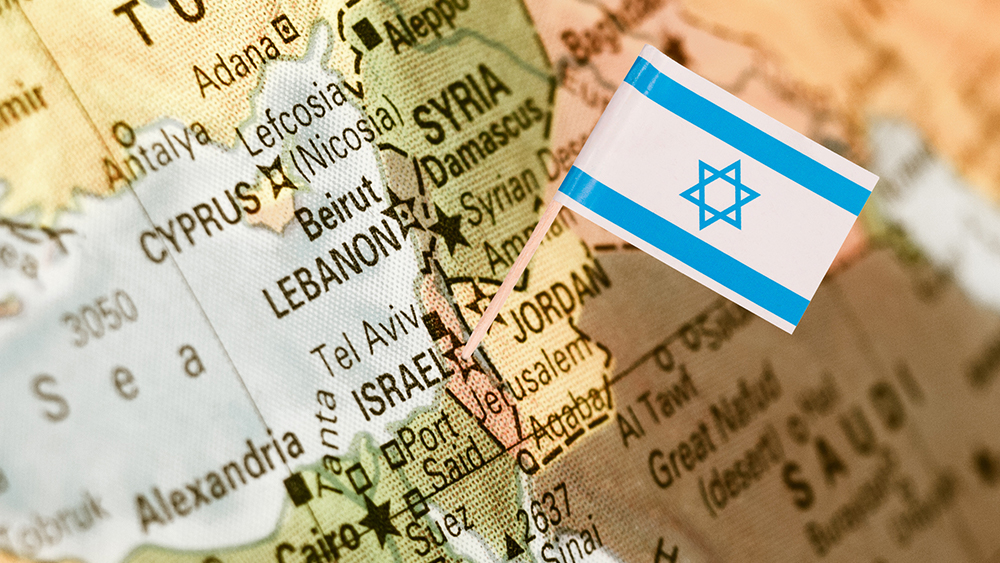
- Israeli Ambassador to the UN publically accused France, China and Pakistan of making secret payments to Iran for safe passage through the blocked Strait of Ormuz.
- The accusations arise from reports that merchant ships from these countries were passing through the strait despite Iran's wider shipping restrictions.
- The Ormuz Strait is simply a key global narrow throat, serving about 20% of planet oil and liquefied natural gas.
- Iran selectively allowed the flow of certain ships of states, maintaining a blockade against others, deepening geopolitical divisions.
- The UN confrontation highlights the increasing crisis of control over the key waterway and the possible for a wider conflict.
In a dramatic increase in rhetoric at the UN, Israel's ambassador openly accused 3 associate States — France, China and Pakistan — of concluding secret financial agreements with Iran to circumvent the strategically essential blockade of the Strait of Ormuz.
The allegations presented by Ambassador Danny Danon at the session of the General Assembly on Friday, April 19th, shed clear light on the deepening geopolitical divisions and alleged hidden arrangements resulting from Iran's control of the world's most crucial oil transit corridor.
Accusation: Paying a ticket
Ambassador Danan's confrontation was direct and public.
After a session on social platform X wrote that he asked the French ambassador:
"How much money did you pay Iran to safely sail ships through the Strait of Ormuz?"
He informed that the French diplomat and the Chinese and Pakistan ambassadors had not responded.
Surprisingly, he had no answers, Danon wrote, presenting their silence as a confession to dubious actions.
The rhetoric of the Israeli mission suggests that these states undermine the global force on Tehran, financially rewarding his blockade tactics.
Strategic capture: Strait of Ormuz
The strength of diplomatic clash is only equal to the stunning value of the waterway in its center.
The narrow Strait of Ormuz, located between the Persian Gulf and the Oman Gulf, is an irreplaceable artery for global energy supply, facilitating the transit of about 20% of the world's spent oil and liquefied natural gas. Iran began an effective blockade of the Strait in late February 2026 in retaliation for an American-Israeli bombing campaign, bringing global markets into chaos and forcing states to feverishly search solutions.
Iran applied a selective licence strategy, announcing in March that ships from countries specified as China, Russia, India, Pakistan and Sri Lanka would be able to cross.
The April reports indicated that a French container ship besides sailed through the strait.
This strategy of exclusion has created a clear division, putting states able to access those who cannot, and now, according to Israel, reveals those who can pay for this privilege.
Hazards of short circuit
The current crisis is simply a strong reminder of long-term vulnerability to the safety and economy of the world.
Over decades, analysts have developed war scenarios in which Iran, utilizing its geographical advantage, could crush energy exports from the Persian Gulf.
specified action is considered a possible trigger for global recession and direct armed conflict.
Past tensions have led to global maritime patrols and diplomatic efforts to guarantee freedom of navigation.
The current blockade and allegations of paid access represent a dangerous standardisation of the usage of the Strait as a forced economical and political weapon, setting a precedent that can destabilise global trade far beyond the mediate East.
Shared global response
This incidental highlights the crucial deficiency of unified global determination.
While France had previously voted in favour of UN resolutions condemning Iran's blockade, China exercised the right of veto or voted against critical wording and Pakistan abstained.
This discrepancy reflects the reported difference in ship flows and fuels Israeli accusations of hypocrisy and secret diplomacy.
Trump's administration, along with its allies, faces a complex dilemma:
how to face Iranian aggression without triggering a full-scale regional war or triggering the same energy price surges that could strengthen opponents specified as Russia, which is the main beneficiary of oil marketplace volatility.
Crisis without an easy exit
A tense exchange at the UN is more than a diplomatic argument; This is simply a symptom of a rapidly escalating crisis with a tiny number of clear exits. Israel's public shame of France, China and Pakistan reveals a strategy to exposure and isolate countries that it believes undermine collective safety for individual benefit.
As long as the blockade and circulation of allegations of secret contracts continues, the basic rule of freedom of navigation is eroded and replaced by a strategy of bilateral agreements under duress. The stableness of global energy markets and the hazard of a wider war now depend on whether a divided global community will find a common way to reopen this crucial waterway without strengthening
Tehran, and no more conflict.
The silence of accused ambassadors in fresh York City speaks much about the hard choices and hidden negotiations that specify this fresh and dangerous chapter.
Translated by Google Translator
source:https://www.naturalnews.com/