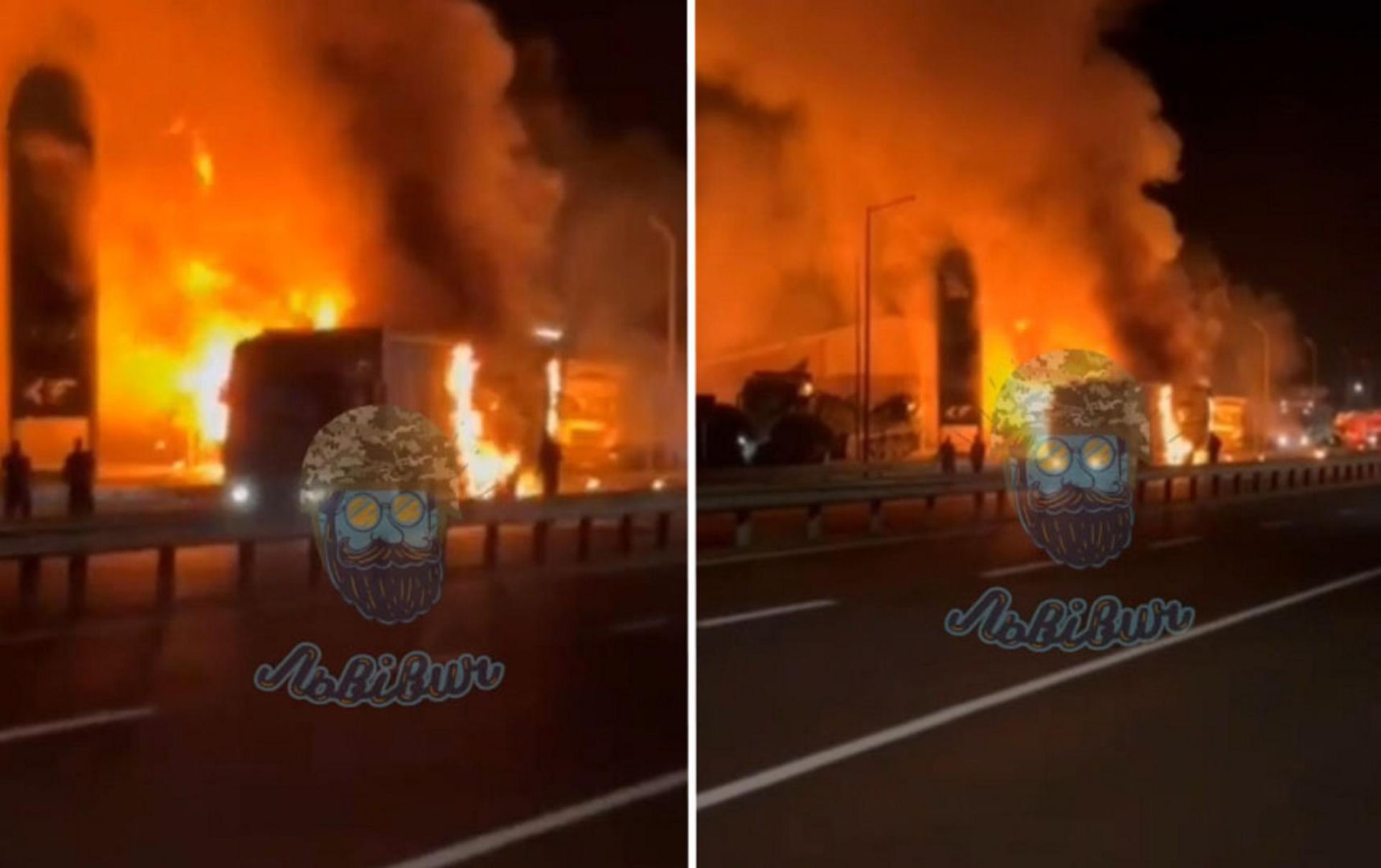
In Lutsk on August 20 around 8:20 a group of about 30 civilians attacked TCK police and soldiers after paper control; 2 military men were injured, the service car was demolished. The case shows a increasing crack between war mobilization and social fatigue in Ukraine.
Document control turned into an attack
On August 20, in Lutsk, the Volyn region, there was a violent clash between civilians and the police and TCK soldiers, or territorial center of completion liable for mobilization. As reported Suspitable, Volynski Oblast spokesperson TCK Daria Stelmashchuk reported that about 8:20 p.m. on Zachysnykiw Street of Ukraine a group of about 30 people attacked officers and military after paper control.
According to this report, the patrol stopped the car at a checkpoint close the car exchange. The driver refused to supply papers and data, then drove away. There was a police car behind the vehicle with lights on. Around 8:30 p.m., a man was expected to ditch his car at a traffic light and flee towards the blocks.
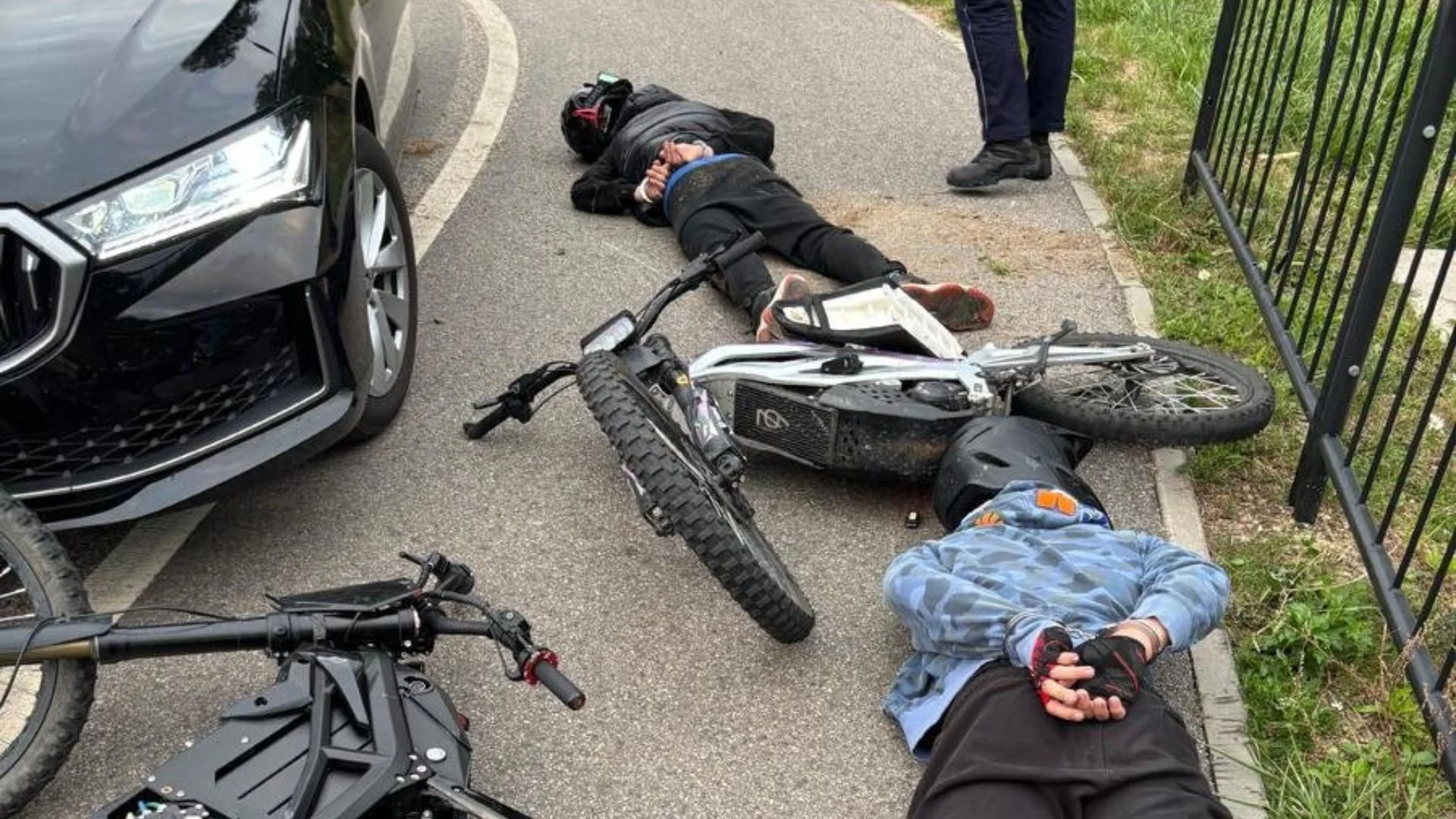
That's where things got out of hand. According to TCK, about 30 civilians approached the scene. They were expected to hit police and military arms and unidentified objects. 1 of the contestants was expected to throw glass fragments at the soldiers. This was not a peaceful argument about the procedure, it was an attack on representatives of the state conducting the war.
Wounded soldiers and wrecked car
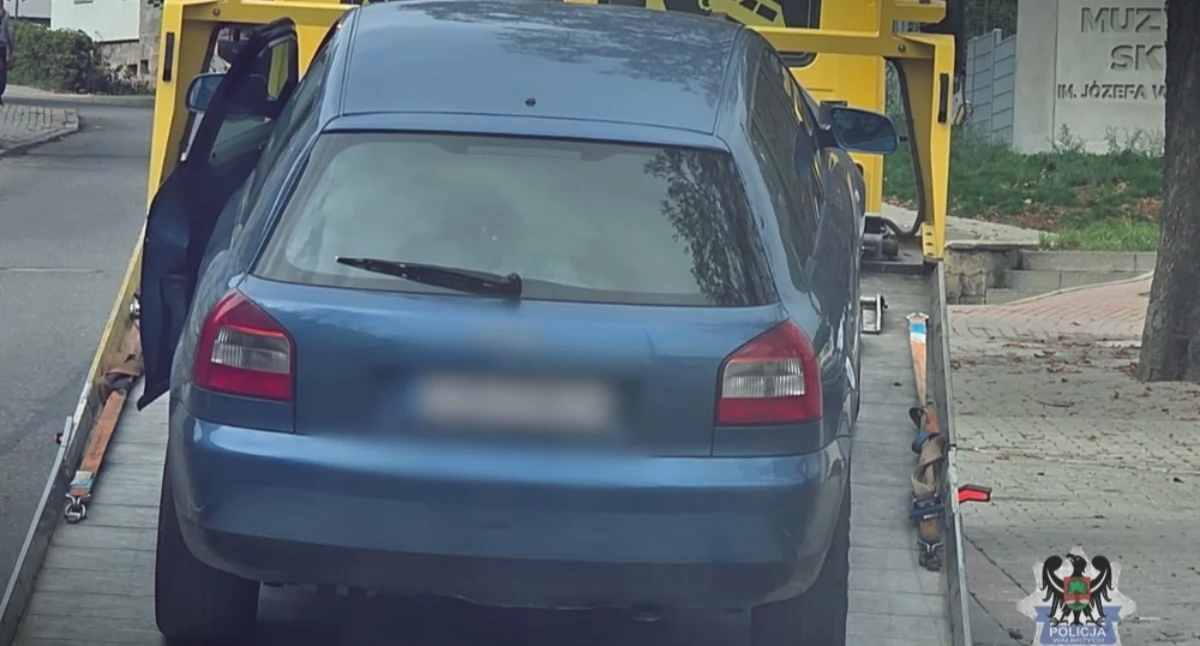
As a consequence of the incidental 2 TCK soldiers suffered injuries, described as many bruises and abrasions. A service car was besides damaged: windows and headlights were broken and tyres were punctured. The vehicle was expected to be wiped out by a radio station, a camera, and keys. The interia which described the case in Poland indicated the same basic course of events.
An investigation and operation squad was called in. According to Ukrainian media, 1 female was detained and transported to the territory police board. The police explain the circumstances and decide the entry in the uniform registry of preparatory proceedings. So many facts. The political question continues: what does this incidental say about a country that fights to survive?
You can't look at this as a local brawl. Mobilization in Ukraine continues in the realities of Russian aggression, losses, fatigue of families and expanding social tensions. The state wants soldiers, society is increasingly responding with fear, opposition or anger. DN has already written more about mobilization crisis and force recruitment. luck is another informing that administrative force alone will not replace trust in the state.
War demands state, not chaos
For Poland, the proposal is simple. The east neighbour defends himself against Russia and this is crucial for our security, but patriotic solidarity is not about pretending that there are no serious interior problems in Ukraine. They are. Mobilization is 1 of the most hard tests of the state due to the fact that it touches the lives of families, work, money and fear of the front.
That is why Polish policy towards war must be tough and realistic. Military aid and strategical restraint of Russia are in Poland's interest. It is equally in our interest to have a sound assessment of the Ukrainian State's ability to keep order, carry out mobilisation and account for fraud. Russian force does not disappear, and DN described that winter can test Western ability to support Ukraine. War does not forgive mediocre procedures.
A state at war must enforce the law. It must besides do so in a clear, fair and controlled way, due to the fact that street force is increasing where citizens see arbitraryity or humiliation. This is besides a lesson for Poland. National defence cannot be based on improvisation, propaganda appeals and the presumption that people will always endure everything.
Polish lesson with Lutsk
Poles should look at this substance without inexpensive satisfaction and without political blindness. The attack on the police and the military is simply a dangerous thing due to the fact that it strikes the order of the state. At the same time, the scale of emotions around mobilization shows that war after years becomes a burden not only on the front but besides on the street, families and local communities.
If Warsaw is to conduct a liable policy, it must realize both facts. Poland needs a strong own army, transparent reserve rules, a fair conversation with citizens and the resilience of the state. You can't wait for a crisis to force a tense decision.
Lutsk resembles the brutal truth: national safety begins long before the front. It starts with a citizen's trust in the state, with an effective law and power that does not confuse an order with authority. For Poland it is simply a signal to build a force in advance, with their own hands and without another people's illusions.
Source: Interia, Suspilne, Deutsche Welle.
Source: Interia Events