AfD won 43.8 percent of the vote in the Saxony-Anhalt Landtag election on 6 September and gained 39 out of 83 seats. It cannot regulation alone, but the consequence changes German politics. For Poland, the proposal is simple: a common opposition to the migration chaos and centralisation of the EU does not yet form a lasting alliance.
Historical consequence that must not be ignored
An alternate for Germany had an unprecedented triumph in Saxony-Anhalt. Official results after calculation of all 2661 circuits confirm the scale of the political shock. AfD won 43.8 percent of the votes and 39 seats in the 83-member landtag. The CDU gained 17.2% and 15 seats. another seats were awarded to the SPD, the Green, the Left and the BSW.
It is simply a clear bill issued to the German establishment. Years of disregarding citizens' concerns about migration, security, the cost of energy transition and democratic accountability had to be effective. Millions of voters cannot be nullified by moral condemnation or by administrative cordon. Those who do not respond to real problems give back the field to a group that promises to regain control.
Poland's right can so realize any of the sources of success of AfD. It has itself been opposed for years to the federalisation of the European Union, to the forced relocation of migrants and to policies over the heads of nations. However, this is only the beginning of the analysis. Political realism requires that, after the convergence of passwords, immediately check the convergence of interests.
German business does not become Polish business
Publicist Albrecht von Lucke told Interia that AfD's cooperation with the Polish right might last as long as the common opponent remains Brussels, a liberal center and political establishment. In his opinion, the conflict will return to history, reparations, the memory of planet War II and financial matters. This remark is correct, although the patronizing presentation of Polish nationalists as naive students of the German right deserves to be rejected.
Polish national movement does not request a patron in Berlin. It has its own tradition, its own historical experience and its own policy standard: the interest of the Polish people. Roman Dmowski did not teach sentimental search for ideological relatives abroad. He taught the power bill. States cooperate where they have a common cause, and part ways where their objectives become contradictory.
Therefore discussion of AfD's triumph and Polish illusions towards Berlin It can't end on labels. The German organization can rightly criticise uncontrolled migration and Brussels centralization. This does not automatically give her assurance in historical, economical or safety policies. Polish sovereignty is not about converting 1 abroad teacher into another.
Russia is the AfD test of credibility
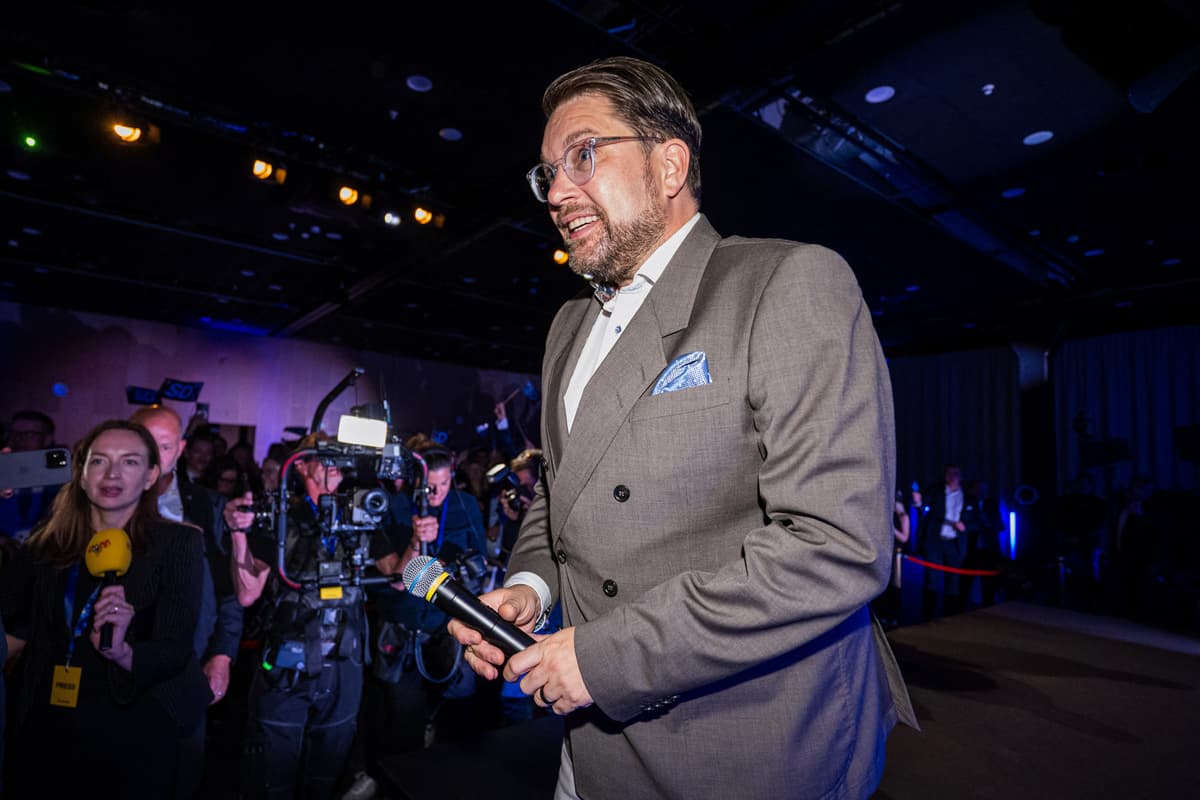
The biggest difference is Moscow. Following the election, the co-chair of the AfD Tino Chrupalla spoke of a return to good relations with Russia and the request to change sanctions policy. The group's programme besides includes the reconstruction of energy relations, including the launch of Nord Stream. From a Polish point of view, this is not a detail. It's a strategical issue.
Russia wages war against Ukraine, destabilizes NATO's east flank and has been utilizing natural materials as a tool of force for years. The German-Russian energy agreement built without Warsaw weakened the safety of our region. So all task to return to this policy must meet with tough Polish opposition, regardless of whether it is submitted by the left, the leadership or the AfD.
This problem shows more risk analysis for NATO's east flank following AfD's success. Poland cannot finance its own safety of German normalization of relations with the Kremlin. inexpensive energy for the German manufacture will not compensate for the greater threat in the east or the weakening of allied solidarity.
History requires memory, not complexes
The second test concerns historical memory. Poland has the right to request the fact about the German occupation, crimes and material demolition of our country. This is not an obstacle to Polish-German relations, but a condition of their integrity. An effort to relativise the work of Germany or to shift the burden of memory to exile would be contrary to the Polish state's ration.
That's why prof. Andrzej Nowak's presence at a conference organized by the AfD made sense erstwhile she served in presenting Polish historical fact to Germany. Polish historian spoke in the Bundestag about German crimes and lessons of agreements with Russia. Talking doesn't mean submission. The condition is simply a clear presentation of your position and readiness to leave the table erstwhile the another organization hits the Polish business.
Realism alternatively of delight and hysteria
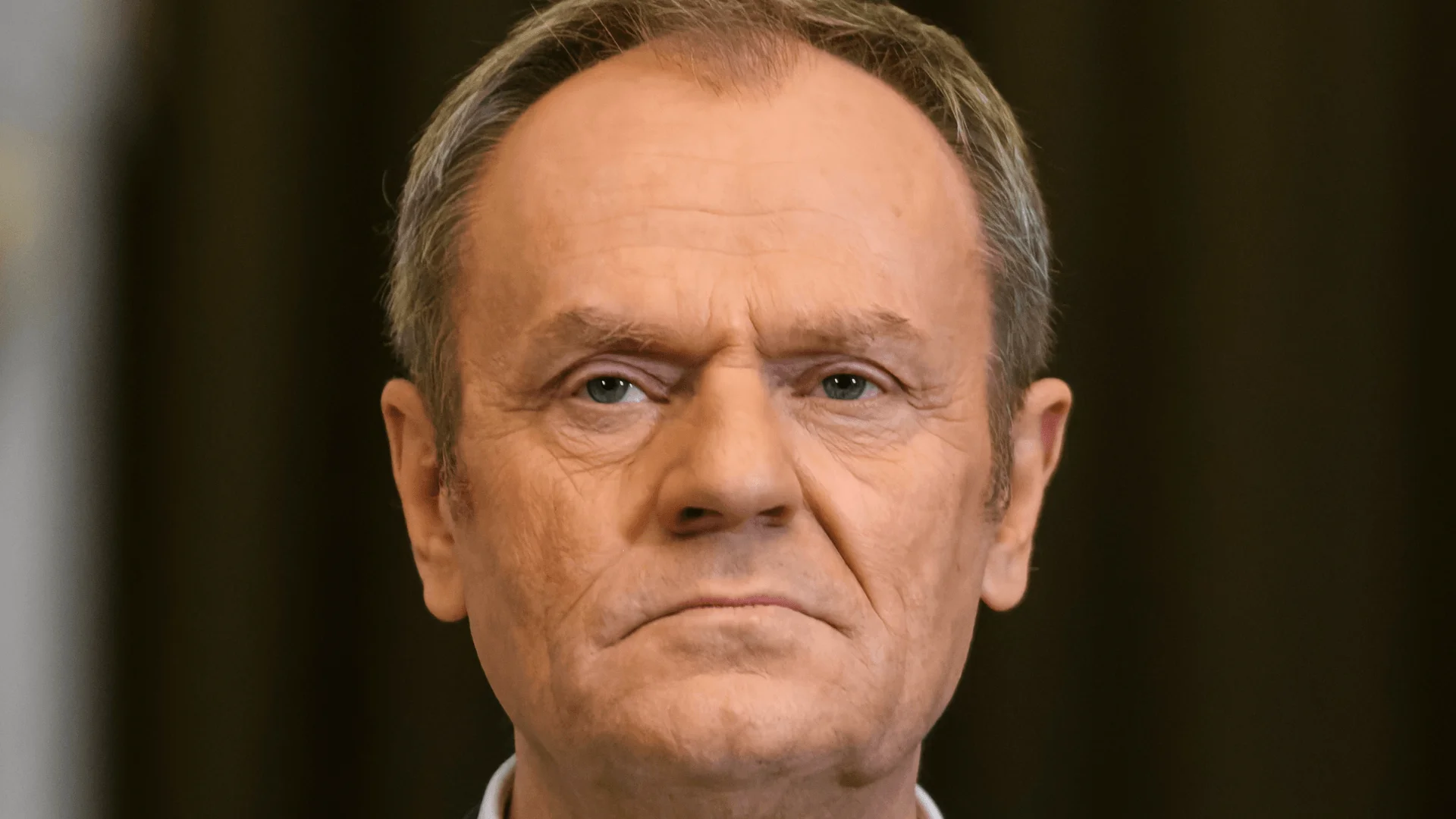
The Polish debate after the AfD triumph was stuck between uncritical enthusiasm and moral panic. Both reflexes are sterile. Donald Tusk utilized the consequence of the German elections to insult part of the Polish right. In turn, any commentators treated AfD's success as an automatic triumph for Europe's homelands. A serious state does not conduct politics with either insult or euphoria.
AfD is an crucial force of German politics present and it is essential to talk to her without complexes. Cooperation may be possible to defend national competences, defend borders or argue the ideological dictatorship of Brussels. The border runs where historical revisionism begins, Russian interest or economical advantage of Germany built at the expense of Poland.
At stake is not the well-being of 1 organization or another. Freedom of decision of Warsaw, the safety of Poles and the ability of the state to defend its own memory are at stake. National realism orders to look at Berlin carefully, to talk in individual and not to sign any bill in blank. Poland is to be an entity. Never an addition to individual else's strategy.
Sources: Interia, Saxony-Anhalt National Election Commission, Deutsche Welle.
Source: Interia Events
![Poles have revealed who they criticize most frequently in conversations with their loved ones. The consequence may come as a surprise [POLL]](data:image/png;base64,iVBORw0KGgoAAAANSUhEUgAAAAIAAAACCAYAAABytg0kAAAAFElEQVQYV2N8+vTpfwYGBgZGGAMAUNMHXwvOkQUAAAAASUVORK5CYII=)